
We’ve all heard the term “toxic masculinity,” but does it truly exist? In this post, I aim to debunk some core myths surrounding the subject and delve into what modern progressive thinking might get wrong about it. If you’re short on time, consider bookmarking this article for a detailed read later. I’ll also provide effective solutions to address the issues discussed. (References at bottom).
Understanding the Roots of Toxic Masculinity
The concept of toxic masculinity is often promoted for two primary reasons:
- It negatively affects men’s mental health.
- It’s considered a root cause of violence against women and girls.
Before proceeding, I want to emphasize that I genuinely wish to see improvements in both these areas.
The Role of Testosterone in Male Behaviour
The theory of toxic masculinity suggests that many male behaviors result from cultural and socialization processes through socially constructed gender roles. The idea is that educating young boys about these roles will lead to change. However, this perspective overlooks a crucial component: testosterone.
Testosterone significantly influences male behavior, particularly in terms of aggression and dominance. Research indicates that testosterone can promote both prosocial and antisocial behaviors aimed at enhancing social status.
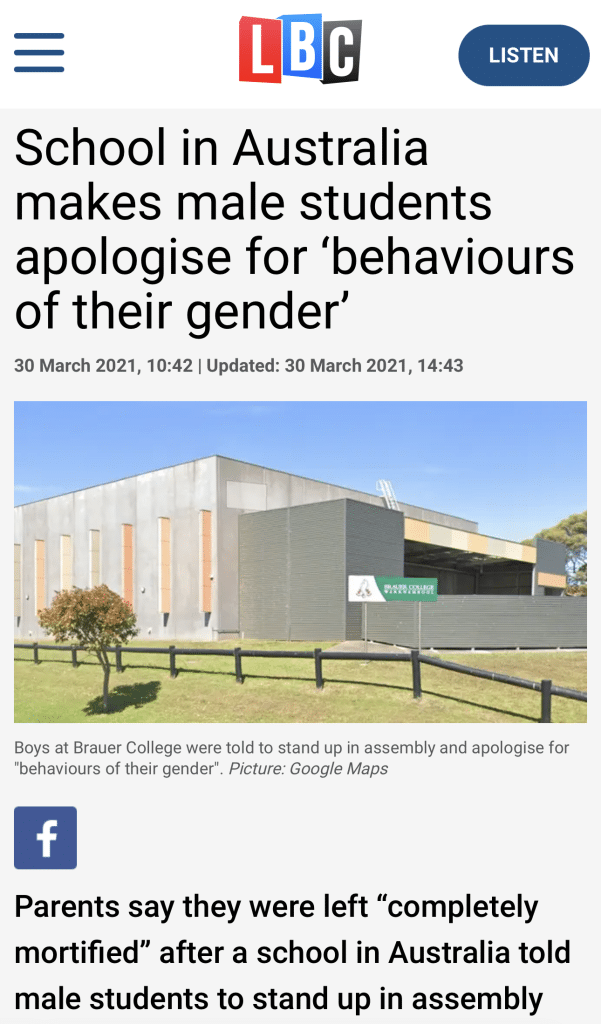
Shame is not the answer
The primary method proposed to instigate change involves shaming these natural traits and labeling men who possess them as inherently bad. However, until we establish a realistic and accurate understanding of the root causes of male behavior, we will fail to develop effective solutions.
Redirecting Natural Drives Constructively
Masculinity comprises a set of drives and traits commonly referred to as masculine energy. These traits aren’t inherently good or bad. I’ve previously discussed masculine versus feminine polarity in another video, which I recommend watching for a better understanding of this concept.
It’s also essential to recognize that men are not a homogeneous group. They exhibit a wide variety of characteristics and, most importantly, temperaments. This discussion focuses on boys with temperaments typically driven by higher testosterone levels.
Addressing Common Myths About Toxic Masculinity
Myth 1: Toxic Masculinity Encourages Dominance and Aggression
Dominance and aggression aren’t merely taught behaviors; they are manifestations of status-seeking behavior, which is influenced by testosterone. Scientific studies have documented the effect of testosterone on men’s drives for dominance and aggression, particularly in seeking status.
One effective way to harness this drive is by redirecting it into positive outlets, such as boxing. This sport allows young men to compete and fulfill their masculine drive while gaining status and recognition positively and legally. Most importantly, boxing teaches self-control, which is crucial in managing emotions like jealousy and rejection—common triggers for violence, especially in relationships.
Myth 2: Toxic Masculinity Encourages Men to Suppress Emotions
Another prevalent myth is that toxic masculinity encourages men to suppress emotions like sadness or fear, leading to mental health issues and even suicide. It’s important to note that testosterone can inhibit expressions of sadness and fear, which may explain why men typically cry less than women.
However, there’s a distinction between emotional expression and suppression. Stoicism, often associated with masculinity, is about emotional regulation—not repression. It involves managing oneself to avoid being controlled by emotions, allowing for a steady and measured approach to life.
Emotional suppression or repression often stems from upbringing and parental interactions, such as criticism or neglect when expressing emotions. These issues are more related to toxic parenting than masculinity.
Regarding mental health, men’s depression and suicide rates are more closely linked to factors like a lack of purpose or power in their lives. Developing masculine energy can provide the drive, determination, and discipline needed to take action and change one’s life circumstances.
Additionally, symptoms like anxiety, irritability, and depression are often linked to low testosterone levels. Men experiencing these symptoms should consider getting their testosterone levels checked.
Myth 3: Toxic Masculinity Alienates Non-Traditional Masculine Individuals
It’s argued that toxic masculinity alienates those who don’t fit traditional masculine ideals. However, this issue is less about masculinity and more about human nature, status-seeking, and bullying. Individuals who don’t conform to traditional ideals may face bullying, but this behavior stems from broader societal attitudes rather than masculinity itself.
Addressing this issue involves promoting self-acceptance and helping individuals recognize their unique strengths and weaknesses. Personal development and self-improvement can empower individuals to overcome insecurities and societal pressures.
Myth 4: Toxic Masculinity Discourages Healthy Communication and Vulnerability
The notion that toxic masculinity discourages healthy communication and vulnerability, straining relationships, is another common belief. Vulnerability is linked to status and how one is perceived as a leader. Testosterone inhibits expressions of sadness and the need to express emotions similarly to women.
In relationships, power dynamics often influence communication. Lack of communication is frequently due to factors like lack of trust, pride, and excessive ego, which can prevent individuals from expressing vulnerability. It’s crucial to understand that pride and ego are human traits, not exclusive to masculinity.
Myth 5: Toxic Masculinity Upholds Harmful Gender Norms and Hierarchies
The assertion that toxic masculinity upholds harmful gender norms and hierarchies originates from critical theory, which posits that subjective perception defines truth. However, this perspective can distort our understanding of the world.
Gender roles and hierarchies have evolved naturally from our DNA’s drive to replicate and our need to survive. These roles typically arose from traits individuals were most suited to, such as women bearing children—a role men cannot fulfill. Recognizing these origins doesn’t mean endorsing rigid roles but understanding their context.
While society should encourage individuals to pursue their interests regardless of gender, it’s also important to educate people about the realistic causes and consequences of certain paths. A healthy society balances masculine and feminine energies, recognizing that not all individuals are suited for every role, especially those requiring specific physical attributes.
Recognizing True Toxic Behaviors
The term “toxic masculinity” is largely theoretical and predominantly viewed through a feminist lens. It often fails to consider the experience of having testosterone and the natural biological drives for status and power present in all humans.
Masculinity and femininity are simply traits that can be expressed healthily or toxically. True toxic behaviors include bullying, gaslighting, lying, blame-shifting, smearing, and judgment without insight. Bullying, for instance, is driven by individuals feeling inadequate and attempting to elevate themselves by bringing others down.
Shaming young men for their natural masculine drives is counterproductive and can lead to apathy or oppositional defiance. While shame has its place, it must be used judiciously and not for expressing natural biological tendencies.
Shame is a significant driver of aggression in men, as it impacts their status and dominance in social hierarchies. Studies suggest that internalized shame can lead to depression, while externalized shame often results in rage.
Constructive Approaches to Addressing Behavioral Issues
To effectively address problematic behaviors often attributed to toxic masculinity, consider the following strategies:
- Understanding Biological Drives: Recognize the influence of hormones like testosterone on behavior and find positive outlets for these drives.
- Promoting Healthy Role Models: Highlight individuals who exemplify positive expressions of masculinity, such as emotional intelligence and responsible leadership.
- Encouraging Open Dialogue: Create environments where discussions about emotions and mental health are normalized and free from judgment.
- Addressing Societal and Environmental Factors: Tackle issues like poverty, lack of education, and absent father figures, which can contribute to behavioral problems.
- Implementing Rites of Passage: Reintroduce structured transitions into adulthood that teach responsibility, self-control, and community values.
Final Thoughts
If this topic resonates with you and you’d like to dive deeper into related ideas around psychological development and human potential, I invite you to check out our B.E Unlimited psychological development online course.
It’s currently in development, but you can sign up for early access and get notified as soon as it’s ready.
References:
- Exogenous testosterone increases status-seeking motivation in men
- Testosterone and Prolactin Are Associated with Emotional Responses to Infant Cries in New Fathers
- Testosterone is positively associated with risk taking in the Iowa Gambling Task
- Low testosterone levels may be associated with suicidal behavior in older men while high testosterone levels may be related to suicidal behavior in adolescents and young adults
- Excluded and ashamed: Shame proneness interacts with social exclusion and testosterone reactivity to predict behavioral aggression
